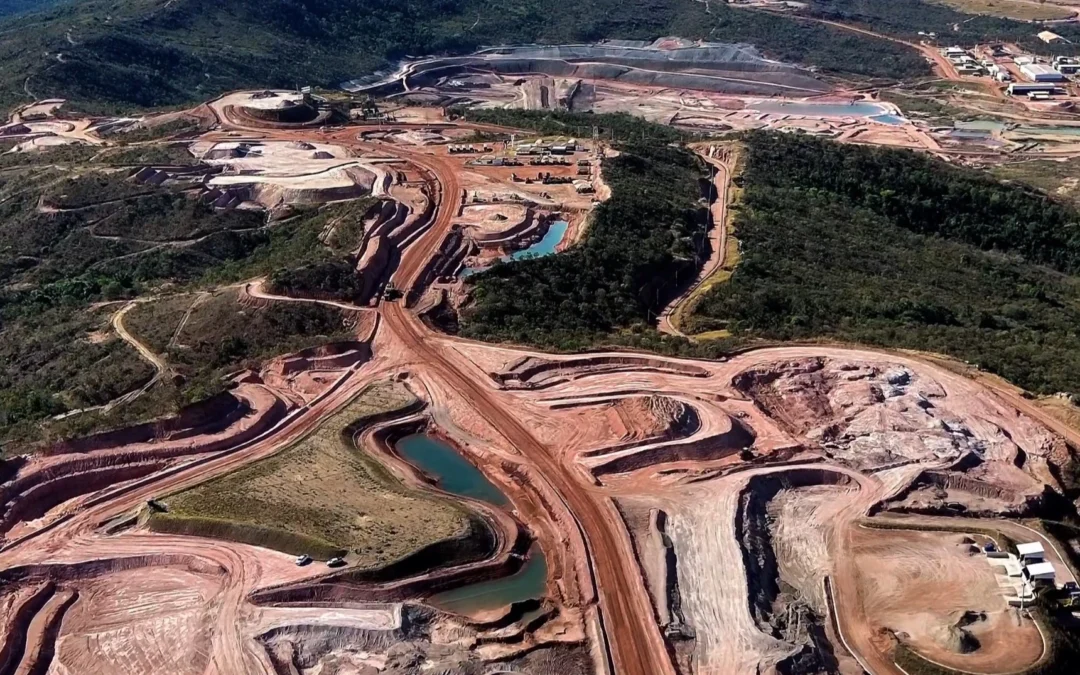
Venezuela’s National Assembly has approved a new mining law aimed at opening the sector to private and foreign investment as part of wider economic reforms. The legislation replaces earlier mining laws from 1999 and 2015 and allows domestic and international companies, including private and state-owned firms, to exploit resources such as gold and other strategic minerals.
Under the new framework, mining concessions can last up to 30 years, with the possibility of extensions, while the state retains ownership of mineral resources. The law also introduces taxes and royalties on production and permits disputes to be settled through international arbitration, which is intended to reassure investors.
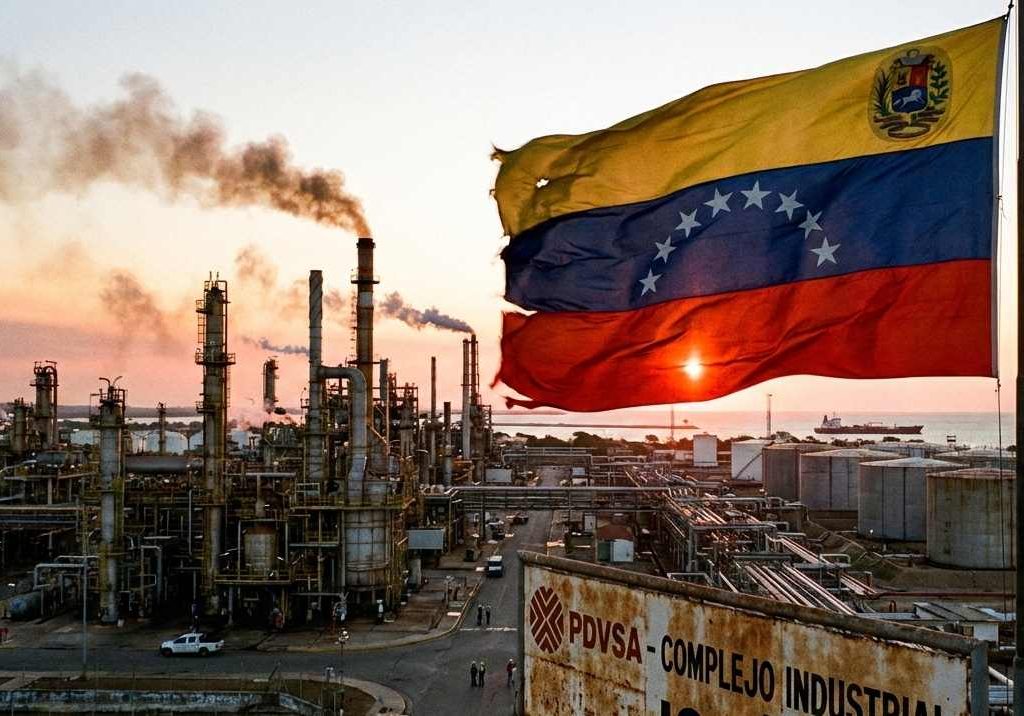
The reform is part of a broader effort by the government to attract foreign capital and stabilise the economy following years of crisis and declining oil revenues. Officials argue the law will create economic opportunities and strengthen legal guarantees for investors.
However, the expansion of mining has raised concerns due to the prevalence of illegal operations, environmental damage, and criminal activity in mining regions. Critics warn that without strong oversight, the new law could exacerbate these existing problems despite its economic aims.