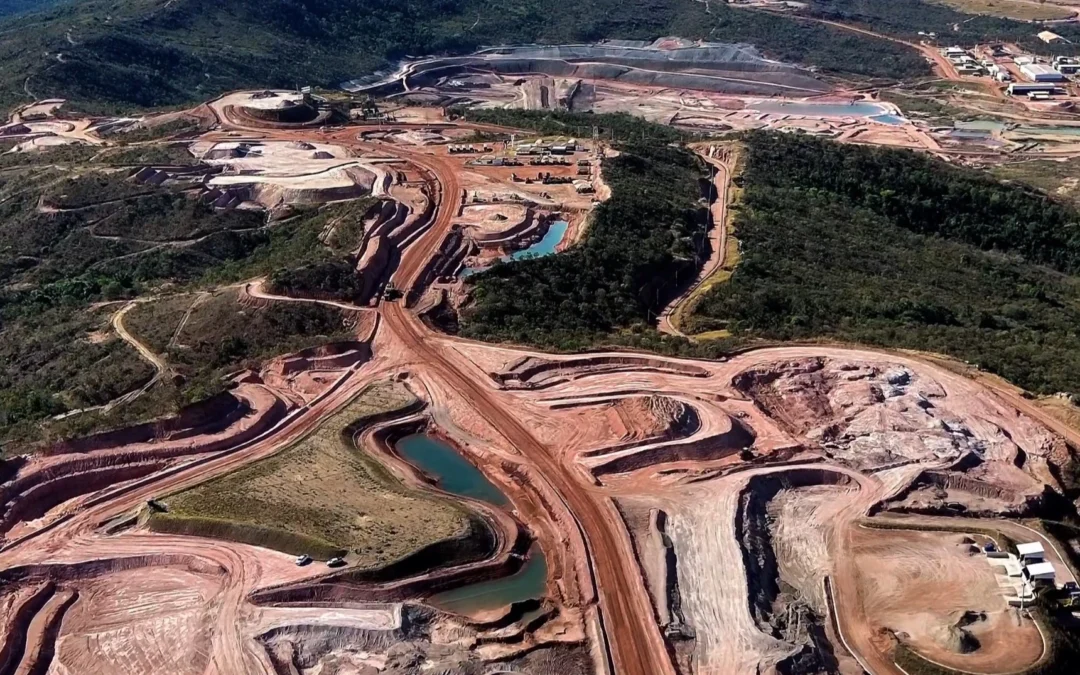

Brazil has halted a controversial agreement between the state of Goiás and the United States concerning rare earth minerals, arguing that it may be unconstitutional. The federal government of President Luiz Inácio Lula da Silva opposes the deal because it was negotiated at a regional level without proper national oversight, raising concerns about sovereignty over strategic resources.
Rare earths are critical for technologies such as renewable energy systems and electronics, making them geopolitically sensitive. Brazil holds some of the world’s largest reserves but has been cautious about how they are exploited and who benefits. The Lula administration is particularly wary of agreements that could allow foreign powers—especially the United States—to gain privileged access without ensuring domestic value creation.
The dispute also reflects broader tensions between federal and state authorities. Goiás has sought foreign investment to develop its mining potential, but Brasília insists that such agreements must align with national legislation and strategic interests. There are also legal doubts about whether a state government can independently sign international deals of this nature.
Overall, the situation highlights Brazil’s attempt to balance attracting investment with protecting national control over critical minerals, while navigating increasing global competition—particularly between the US and China—for access to these resources.