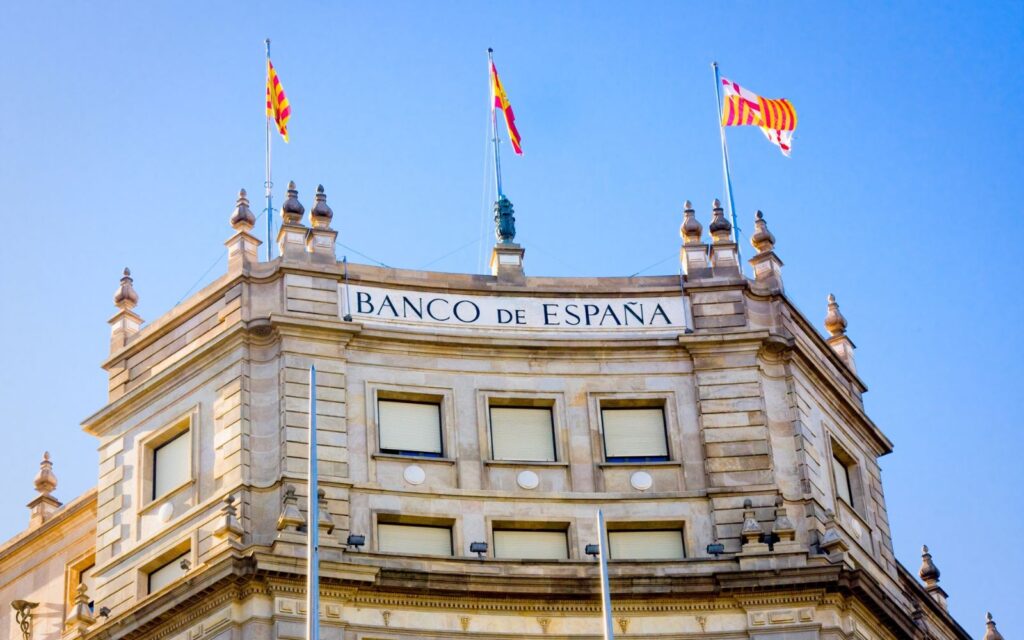
Bank of Spain believes the EU–Mercosur trade agreement will deliver greater overall benefits for Mercosur countries than for the European Union, although both sides stand to gain.
According to the Bank, the deal—after more than 25 years of negotiations—will eliminate tariffs on over 90% of trade, boosting exchanges between the two blocs. However, the gains are expected to be uneven. Mercosur countries (Argentina, Brazil, Paraguay and Uruguay) are likely to benefit more because they will gain improved access to the European market for agricultural and raw material exports, where they are highly competitive.
For the EU, the advantages are more modest and concentrated in industrial goods and services, as well as in improved access to public procurement and investment opportunities. While European firms will save billions in tariffs and gain market access, the relative impact on growth is smaller due to the EU’s already diversified trade structure.
The Bank of Spain also highlights that the agreement could significantly increase bilateral trade—potentially by around 37–40% in the long term—while strengthening economic ties between the regions.
In summary, Bank of Spain sees the agreement as positive for both sides, but asymmetrical: Mercosur stands to gain more in relative economic terms, while the EU benefits strategically through diversification, access to resources, and stronger geopolitical ties.