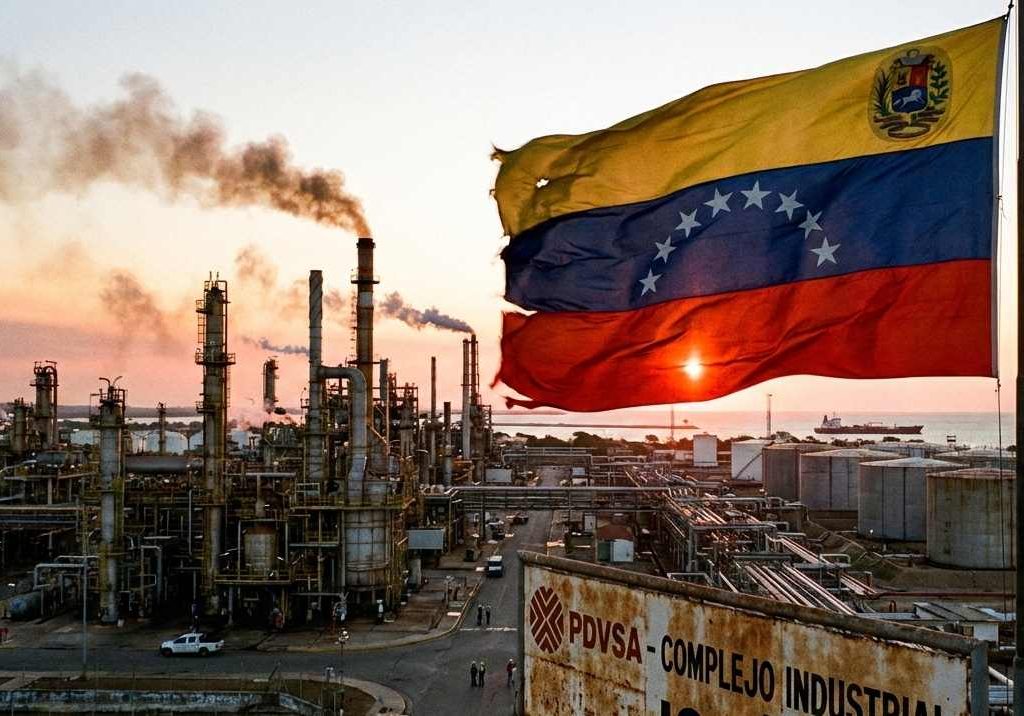
Venezuela’s oil exports to the United States have sharply increased following a recent easing of U.S. sanctions. In particular, shipments of Venezuelan crude to the U.S. have doubled, reaching their highest levels in over a year. This surge is largely driven by new U.S. policies that allow broader transactions with Venezuela’s state oil company, PDVSA, and encourage American companies to resume purchases.
The policy shift is part of a broader strategy by Washington to stabilize global energy markets, especially amid disruptions linked to geopolitical tensions such as the conflict with Iran. By allowing more Venezuelan oil into the market, the U.S. aims to increase supply and help control rising fuel prices.
The rebound in exports also reflects Venezuela’s efforts to revive its struggling oil sector after years of sanctions, underinvestment, and declining production. Partnerships with major firms like Chevron and international traders have played a key role in boosting output and facilitating exports.
However, the recovery faces structural challenges. Venezuela’s oil infrastructure remains deteriorated, and significant investment will be required to sustain or expand production. Overall, while exports are rising quickly due to regulatory changes, long-term growth will depend on deeper reforms and continued foreign involvement.