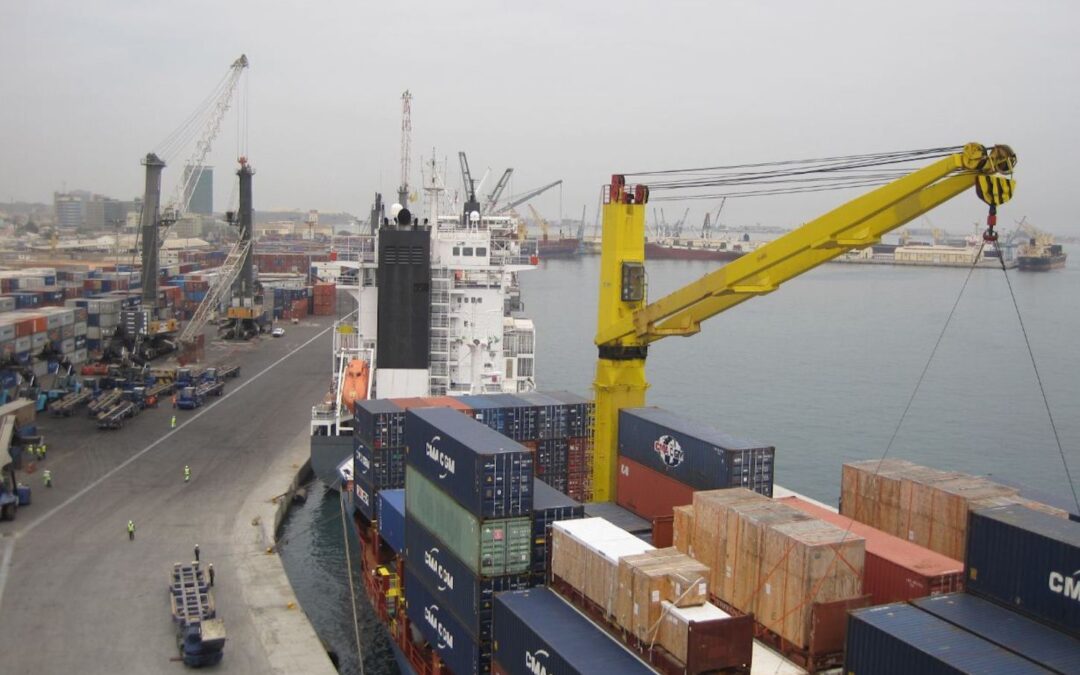
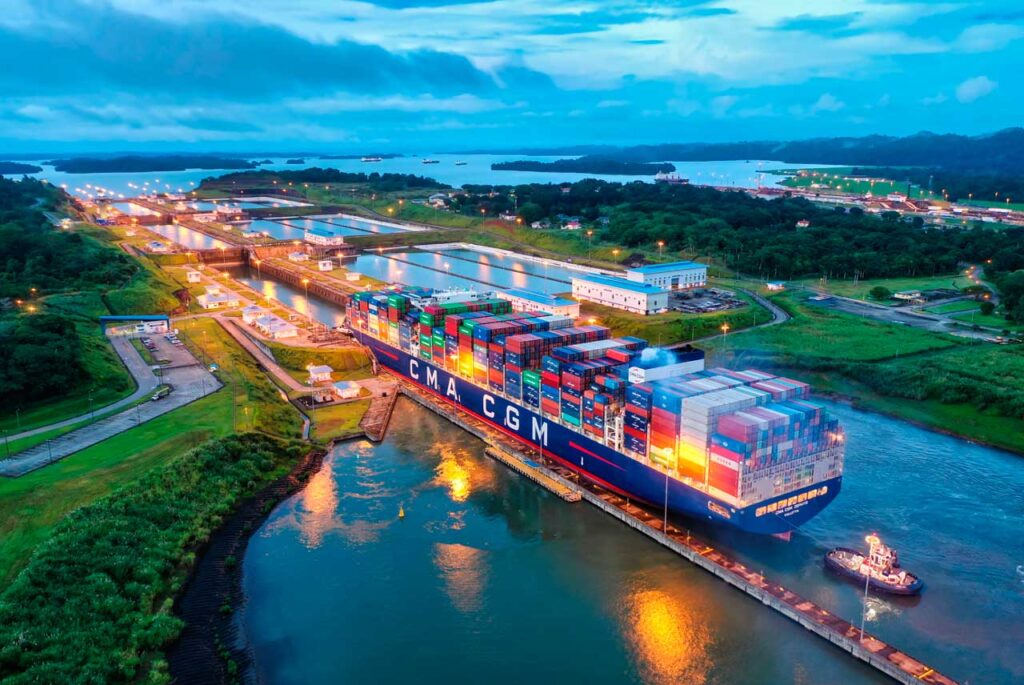
Daily ship traffic through the Panama Canal has risen by about 10% due to the ongoing crisis in the Middle East. Heightened tensions in the region, particularly around key maritime routes such as the Strait of Hormuz, have prompted shipping companies to seek safer alternatives for transporting goods.
As a result, many vessels—especially those carrying oil and liquefied natural gas—are being rerouted through the Panama Canal to avoid potential security risks and disruptions. This shift reflects broader concerns about the stability of global energy supply chains and the vulnerability of traditional shipping corridors in conflict zones.
Panama Canal authorities report that the increase in crossings has exceeded expectations, highlighting the waterway’s growing strategic importance in international trade. The canal is playing a crucial role in maintaining the flow of energy exports, particularly between the United States and Asian markets.
Officials suggest that this trend may continue if instability in the Middle East persists. Overall, the situation demonstrates how geopolitical tensions can quickly alter global shipping patterns, increasing reliance on alternative routes like the Panama Canal while also influencing trade dynamics and energy distribution worldwide