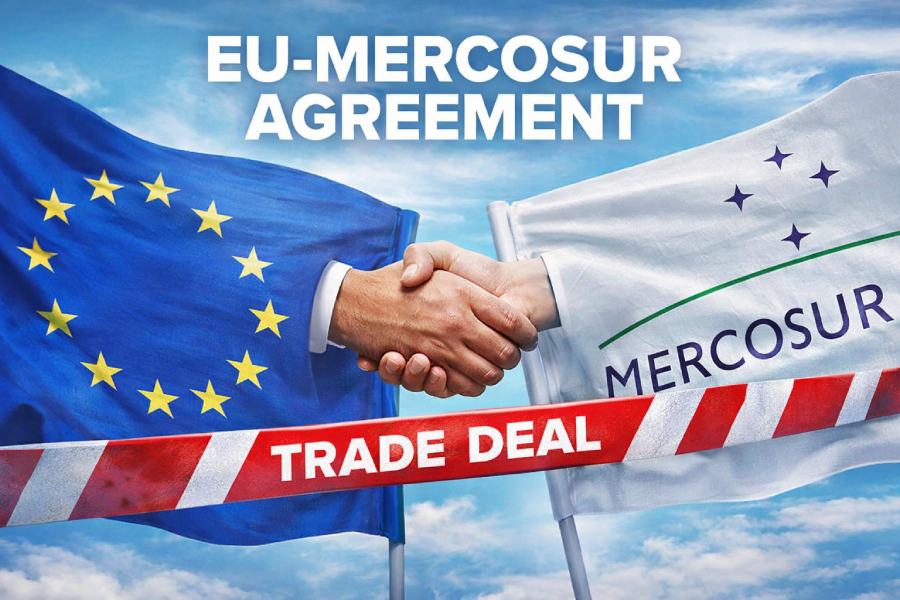
The European Union is set to activate its trade agreement with Mercosur on 1 May 2026, marking a major step in a deal negotiated over more than 25 years. The provisional implementation will apply to the core trade elements, following ratification by the South American countries involved. However, full approval within the EU is still pending, as the European Parliament has yet to complete its ratification process.
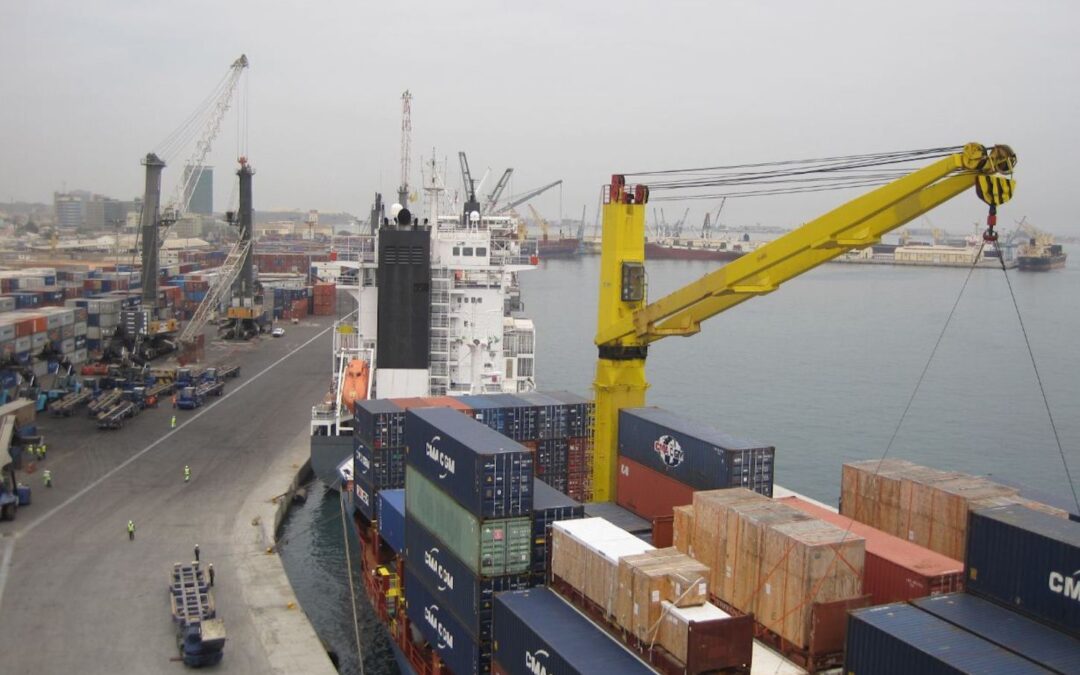
A key feature of the agreement is the elimination of tariffs on over 91% of EU exports to Mercosur, significantly reducing trade barriers and saving European companies billions of euros annually. This is expected to boost exports, improve competitiveness, and create new business opportunities, particularly for small and medium-sized enterprises.
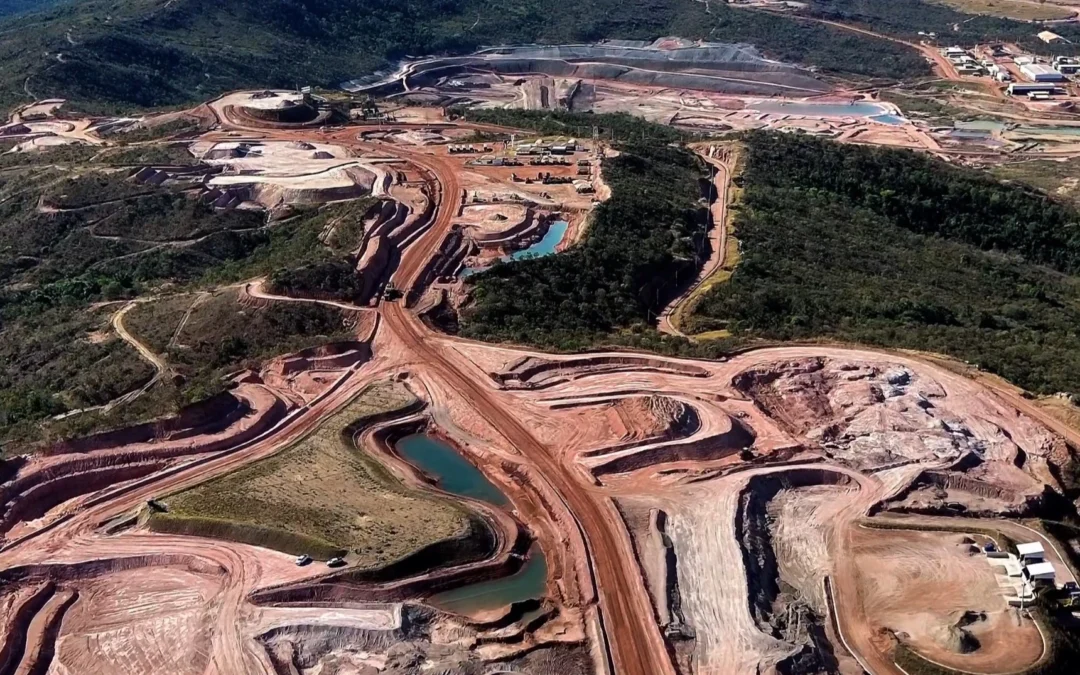
The deal will also open access to public procurement markets and strategic raw materials such as lithium and silicon, which are important for green and digital transitions. In addition, it strengthens cooperation in services and investment, helping European firms expand in Latin America.
Despite its economic potential, the agreement remains controversial, particularly in Europe, where concerns persist over environmental standards and the impact on agriculture. Nonetheless, it represents one of the largest free trade areas globally and a significant move towards closer economic ties between the two regions.